Free Rose Pruning Workshops

We are running free rose pruning demonstrations at Dawson’s Forrestfield, Joondalup, Swanbourne and O’Connor stores.

All sessions start at 11am on the following days:

Workshop No. 1: Saturday 28th June 2025

Workshop No. 2: Sunday 13th July 2025

Rose pruning is very simple so why not come and watch one of our free rose pruning demonstrations! These popular, practical sessions are presented by Dawson’s staff and cover all aspects of rose pruning and winter rose care. Come along and join in!

Share Article

Mother’s Day at Dawson’s

With Mother’s Day just around the corner Dawson’s has you covered for all your gift ideas.

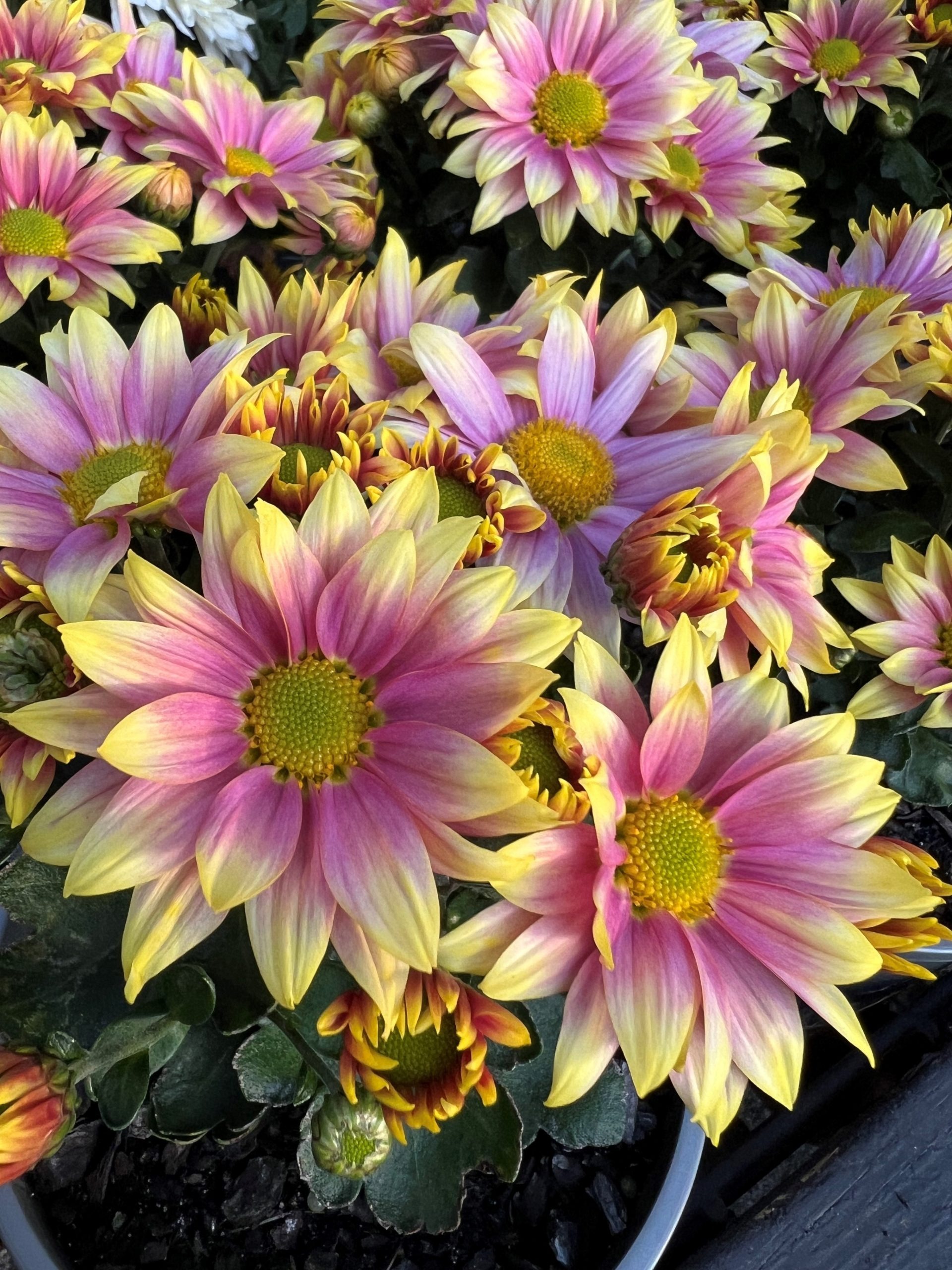
From stunning Mother’s Love roses to Chrysanthemums and Cyclamens, why not spoil your Mum with a living gift from Dawson’s! May is also a terrific time of year for planting so take full advantage of the perfect conditions and enjoy the month ahead in your garden.


Share Article

Seed Garlic Now Available!

Our popular WA sourced seed Garlic is in store now! Growing your own full flavoured garlic is easy.

Our garlic bulbs can be broken down into a number of cloves (usually about 6-10) for planting. Best planting time is from March to May. Now is a great time to get your garden beds ready for your Garlic, mix in a well rotted blended manure. Place you bulbs into the fridge for a minimum of 2 weeks prior to planting which will help your garlic burst to life.

Share Article

Fruit Tree Catalogue

Our fruit tree catalogue is available here.

Download our fruit tree catalogue here. 

Share Article

Planting Roses

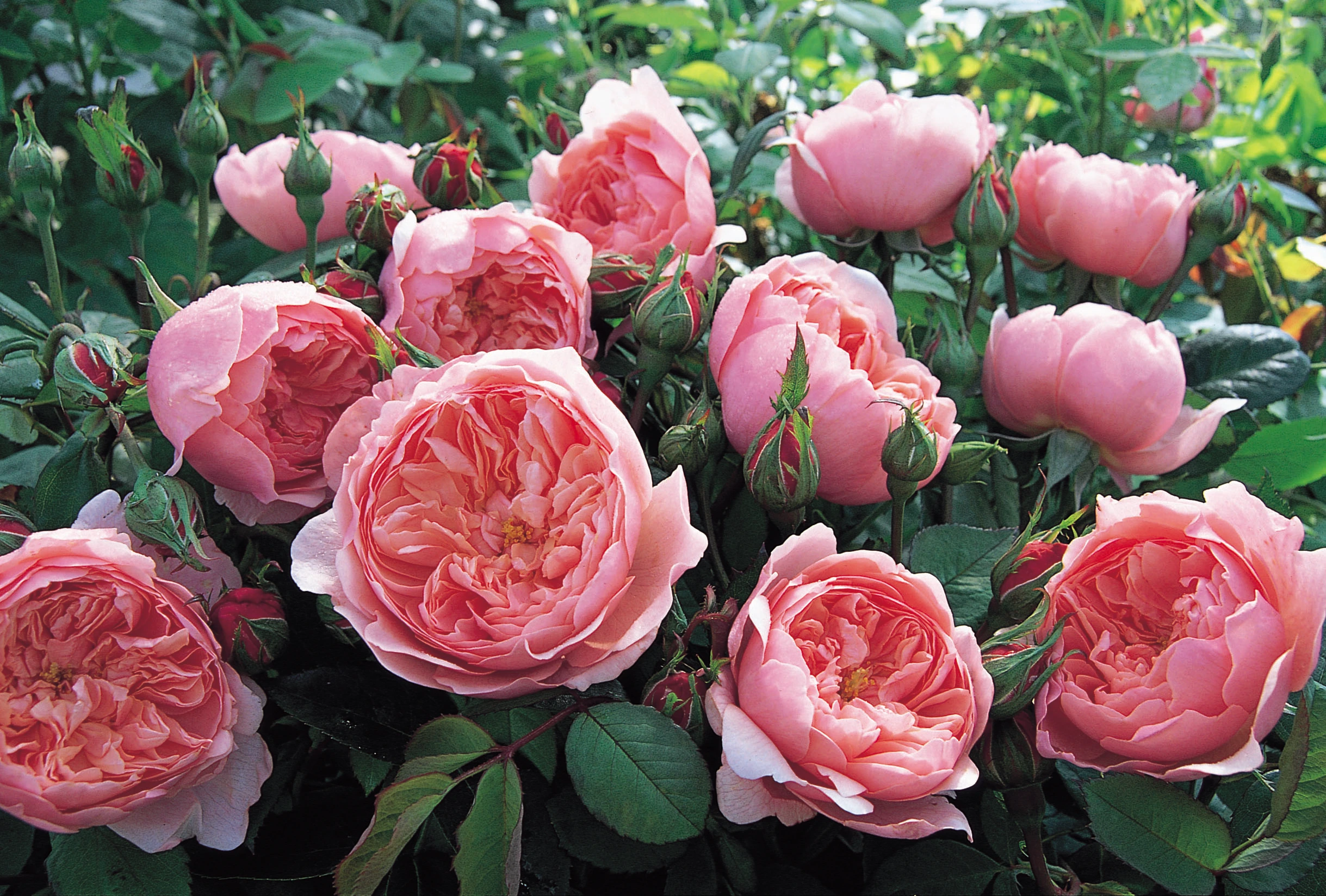
Dawson’s don’t just sell roses, we’ve been helping WA gardeners get the best out of their roses for over 110 years. For best results follow these easy growing hints.

Planting Roses

Because Dawson’s roses are grown in pots, you can confidently plant them into your garden at any time of the year.

  1. Before planting, water the rose in its pot.
  2. In a sunny location, dig a hole 60cm wide and 45-60cm deep. Mix Dawson’s Garden World Organic Soil Improver with the soil from the hole at a rate of 1 part Soil Improver and 2 parts soil from the hole.
  3. Return enough of this mix to the hole to achieve the correct height for the new plant.
  4. Take the rose out of its pot, leaving the root ball intact, and place in hole. Add 1 tablespoon of slow release fertiliser around the root ball.
  5. Return more of the mix around the plant until the soil is level, then add mulch, leaving a 15cm clearance around the stem. Water in well, ensuring the root zone is thoroughly saturated.
  6. Use any left-over soil to make a shallow well around the plant; this will help retain water and direct it to the root system.

Watering

  • Use plenty of water to compact the soil and give plants a flying start.
  • Soil wetting agents allow water to penetrate into water repellent, sandy soils. Apply in Spring and mid-Summer.
  • Water daily in Summer months.


Staking & Training

  • Standards and weeping standards will require a permanent and strong stake for support.
  • Weeping roses can be trained by using a ‘rose hoop’, so that it’s easy to tie the branches to develop a lovely shape.


Feeding

  • Feed roses at regular 4 week intervals from Spring to Autumn.


Mulching

  • Use coarse grade mulch applied to the soil at a depth of 5-10cm, leaving a 15cm bare circle around the main stem. Never heap mulch or soil up around the stem.


Rootstock

  • One of the main virtues of grafting onto Fortuniana rootstock is its vigour and hardiness. If you see bright green foliage appearing from below the graft of the plant, simply break it off and discard.


Common Diseases & Pests

  • Without full sunshine, roses may develop ‘Black Spot’ and ‘Powdery Mildew’.
  • Avoid overhead watering and watering in the evening wherever possible.
  • Spray with fungicide after pruning, and again in Spring and Autumn.
  • Control aphids and thrips with systemic insecticide used monthly. Environmentally friendly sprays are  available at Dawson’s.
  • Red spider mites are the most troublesome pest of roses over the warmer months. Spray with Mavrik*, Natrasoap* or Eco-Oil*. Spray twice, two weeks apart, to bring mite populations under control. Predatory mites can also be ordered from your nearest Dawson’s store. Predatory mites feed on spider mites, offering a natural way to control them in your garden.
  • White Rose Scale- Spray with Eco-Oil* or White Oil*. Severely infested canes should be pruned out at pruning time.
  • Herbicide Damage – Don’t use Glyphosate herbicides near your roses; they’re very sensitive to Glyphosate damage, and this causes distorted ‘witches broom’ looking foliage.

* During the warmer months, don’t spray during the heat of the day, or when temperatures exceed 35°C.

Pruning the easy way

The object of pruning is to shape the bush and promote new blooms. Pruning is done every year in Winter while plants are dormant, before new Spring growth appears.

  • Before starting, make sure pruning tools are clean and sharp.
  • Hybrid tea roses, miniatures and floribunda roses can simply be cut back to half of their original height, using secateurs, loppers or even hedge shears.
  • Then tidy up by removing any crossing branches, diseased older wood or branches growing into the centre of the bush.
  • David Austin rose bushes are best pruned by removing one third of their original height each Winter.
  • Climbing roses should be pruned and trained to restrict them from growing straight up. This is best done by tying new canes to a horizontal position or by arching into a fan shape.
  • Weeping standard roses and shrub roses are best clipped and shaped with hedge shears. This can be done continuously after each flowering.
  • Immediately after pruning thoroughly spray bushes with Lime Sulphur.


Share Article

Spring Planting

Spring is a busy time, planting and preparing for another growing season. There’s plenty to do, so get cracking!

What to Plant

1. Vegetables and Herbs – Artichokes, basil, beetroot, cabbage, capsicum, carrots, celery, chicory, chinese cabbage, chives, chilli, choko, climbing beans, cucumber, dill, dwarf beans, eggplant, endive, fennel, kohlrabi, leeks, lettuce, marjoram, melons, mint, okra, spring onions, oregano, parsnips, parsley, pumpkin, radish, rhubarb, rocket, rockmelon, rosemary, sage, silver beet, squash, sweet corn, tomatoes, thyme, tarragon, watermelon and zucchini.

2. Roses – Plant new season roses now to get them well settled in before the warmer days of summer arrive. If you don’t have enough garden space, many roses can be grown successfully in large tubs and containers. Floribunda and miniature roses are particularly well suited to growing in containers. Remember when potting roses use quality Dawson’s Premium Potting Mix for best results.

3. Native Plants – Spring time is the peak period of native plant availability, so it’s the perfect time to browse among our range of true blue Australian natives. We should all be growing more natives. Growing Natives helps restore a natural balance in your garden by attracting, birds, native fauna, beneficial-predatory insects and pollinators. This has benefits for our gardens as a whole, in terms of increased pollination and predators keeping check on damaging insect populations. We are particularly proud of our Grevillea collection on offer this season. You’ll find Grevilleas for all positions whether it be for screening, feature shrubs, pots and there’s an extensive range of groundcover and mounding types.

4. Geranium Big Red – Go big on colour this spring and summer with this amazing, intense, red flowering Geranium. People often say that the Geraniums here in Australia just don’t have the intensity of these they’ve seen in Italy and Europe. Well, that was before Big Red came along. Big Red delivers that Italian Geranium look in spades! Big red is a cross between ivy and common (zonal) geraniums, so it has a wonderful, mounded habit. It’s ideal for feature pots, baskets, window boxes and performs just as well in garden beds. Best in full sun conditions.

5. Aloha Mandevillas – Get set for non-stop colour this season with these brilliant tropical look Mandevillas. There are five Aloha colours to choose from – Bright Pink, Red, Dark Red, Regal Ruby and White. Use them as short climbers on arches, pergola posts and on fences. Plant them into display pots or hanging baskets and watch them grow. While these plants are climbers, they can easily be kept shrub-like by trimming off the climbing shoots as they appear.

6. Trees – Summer is once again on its way, so now is a good time to think about shade trees for your garden.

7. Succulents – Succulents are the ultimate waterwise plants. Excellent, for tough hot spots. They can we mixed and matched to create wonderful living coral type effects. They perform well in pots, baskets, bowls and vertical gardens (green walls). A recent addition to our succulent collection is Senecio Blue Chalk Sticks. This spreading, clump forming perennial has steely-blue, cylindrical foliage. It is a wonderful contrast plant, which would make a fascinating border with a difference.

8. Blueberries –  Start a new hobby, growing your own Blueberries. Blueberries are one of nature’s superfoods rich in antioxidants, fibre, vitamins and nutrients. Blueberries are acid soil loving plants, so can be tricky to grow in Perth’s limey sands. A sure way to success is to grow them in pots. To do this, pot them using Dawson’s Premium Potting Mix.

9. Wisteria – Wisteria, are their breath taking best from mid-late September. One of the best ways to grow Wisterias is on a pergola, where their cascading flowers can be admired from below. They can also be used to grow on fences, walls, arches or along verandas and walks. They prefer full sun conditions. For more information see our Wisteria fact sheet in the Fact Sheet section.

Jobs to do around the garden

1. Feed Roses – If you haven’t already started, begin feeding roses. Roses like regular fertilising, so feed every 4-5 weeks from now until mid May. Use a quality all purpose fertiliser or specialist rose fertiliser. And remember always water in well.

 2. Lawn Care – As the days lengthen and gradually get warmer over spring, all turf species will enter an active growth phase. This is triggered by warming soil temperatures. It’s an important time to feed your lawn. Eco Emerald is a low phosphorous, river friendly, rock mineral based fertiliser.  Rock minerals are naturally slow release and leaching is greatly reduced, making this product an effective and environmentally responsible way to feed your lawn. Eco Emerald contains a full range of minerals and beneficial microbes to feed your lawn the natural way.

 3. Control Lawn weeds –  Use a selective lawn herbicide to rid the lawn of common weeds like Bindii, Jo Jo (Onehunga), Clover, CapeWeed, Oxalis etc. Searles Buffalo Master is a very useful lawn herbicide to use on Couch, Buffalo and Kikuyu lawns. The best time for Bindii and Jo Jo (Onehunga) control is early in spring before these plants flower and developed their spiny seed capsules. Remember to follow instructions on the product packaging and avoid getting spray mist on desirable plants.

 4. Prepare and plant summer vegetables – Prepare your vegetable beds for planting and try to get a lot of the planting done before the real heat arrives.

 5. Begin Fruit Fly Control – In Perth and much of coastal WA, Mediterranean fruit fly control is quite difficult, but it isn’t impossible. The reality is that some control measures are probably required year round (because of our mild winters). Trapping should continue all year, including winter. The best approach is probably a combination of trapping, some bait spraying/application and some exclusion.  For more information a details of fruit fly control options see “How do I control fruit fly?” in the FAQ section of this web site.

6. Monitor Roses for fungal infections – Black spot is an environmental disease, the fungal spores are always around in the and when weather conditions are conducive the disease can start to cause problems. Black spot is troublesome when the nights are still cool and damp, for example the period early in the season over September to late October and again in April through May. It can also be a problem during periods of humid weather during summer. To control black spot, some preventive spraying is required. Spraying at 1-2 week intervals over susceptible periods is a good policy.

7. Control Caterpillars – Voracious caterpillar pests are on the march in spring targeting soft new foliage on a range of plants. As soon as damage is noticed start control measures to protect your plants. Options for caterpillar control include Success Naturalyte Insect Control from Yates which is very effective on caterpillar pests.

8. Spray to control Citrus leaf miner – Citris leaf miner larvae produce characteristic wavy, snail- trail like damage on  citrus leaves. Another tell-tale effect of attack is if citrus leaves are distorted or curled over. Citrus leaf miner is most prevalent from spring to late autumn. The pest mainly attacks young soft, new foliage. Mature foliage is more resistant to attack. The way to combat the pest is to spray with oil sprays like  Eco-Oil* whenever plants are pushing out new foliage. For best prevention, begin spraying when new growth is about 4cm long. Continue re-applying every 5-14 days to protect new growth, until foliage has thickened and hardened off. All citrus varieties are susceptible to attack. * The makers of Eco-Oil suggest to not spray trees more than 8 times per season.

9. Release predatory mites – Spring is the best time of the year to release predatory mites to control damaging populations of red spider mites. A spring release of predatory mites, means your predators are in place and ready to help control spider mite populations which build up rapidly throughout spring. Predatory mites quietly work away, helping restore the natural balance and keeping spider mite populations under control. Predatory Mites can be ordered from your nearest Dawson’s store and are express posted to you via Australia Post. For more information on how predatory mites can help your garden see our Predatory Mite Fact, in the Fact Sheet section of this web site.

Share Article

Winter Planting

While in some ways Winter is the end of one cycle it’s also the start of another new growth cycle, filled with possibility. It’s a wonderful time to plan, plant, review and undertake major works in the garden. There’s plenty of planting to do with new season’s fruit and ornamental trees, natives, roses, camellias, flower and vegetable seedlings, so grab a spade and go gardening!

What to Plant

1. Vegetables and Herbs – Artichoke, asparagus, beetroot, blueberries, bok choy, broccoli, broad beans, cabbage, carrot, cauliflower, celeriac, celery, chicory, chives, citrus trees, coriander, climbing beans, deciduous fruit trees such as apples, pears, plums etc, endive, fennel, figs, garlic, kale, leeks, lettuce, marjoram, mint, mizuna, mustard greens, nectarines, olives, onions, oregano, pak choy, parsley, parsnip, passionfruit, peas, potatoes, radish, rhubarb, rocket, rosemary, sage, silverbeet, snow peas, spring onions, spinach, strawberries, swedes, tarragon, thyme and turnips.

2. Trees – Winter is the perfect time to plant deciduous trees, so grab a spade and start planting! Ornamental deciduous trees bring great beauty to any garden. Some favourites of ours are spectacular flowering peaches such as Prunus ‘Klara Mayer’ double pink, Prunus ‘Magnifica’ double red and Prunus ‘Alboplena’ double flowering white varieties. Designer pears are trees for all seasons and are easy to grow. Try Ornamental Pears such as Pyrus ‘Glen’s Form” Chanticleer and Pyrus Korean Sun. How about trying flowering plums this winter? Prunus ‘Nigra’ and Prunus ‘Blireana’ are two of our biggest seeling trees. If your back yard is a little tight for space then try Prunus ‘Oakville Crimson Spire’ and Pyrus Calleryana Capital’ which are tall but narrow growers ideal for narrow planting sites.

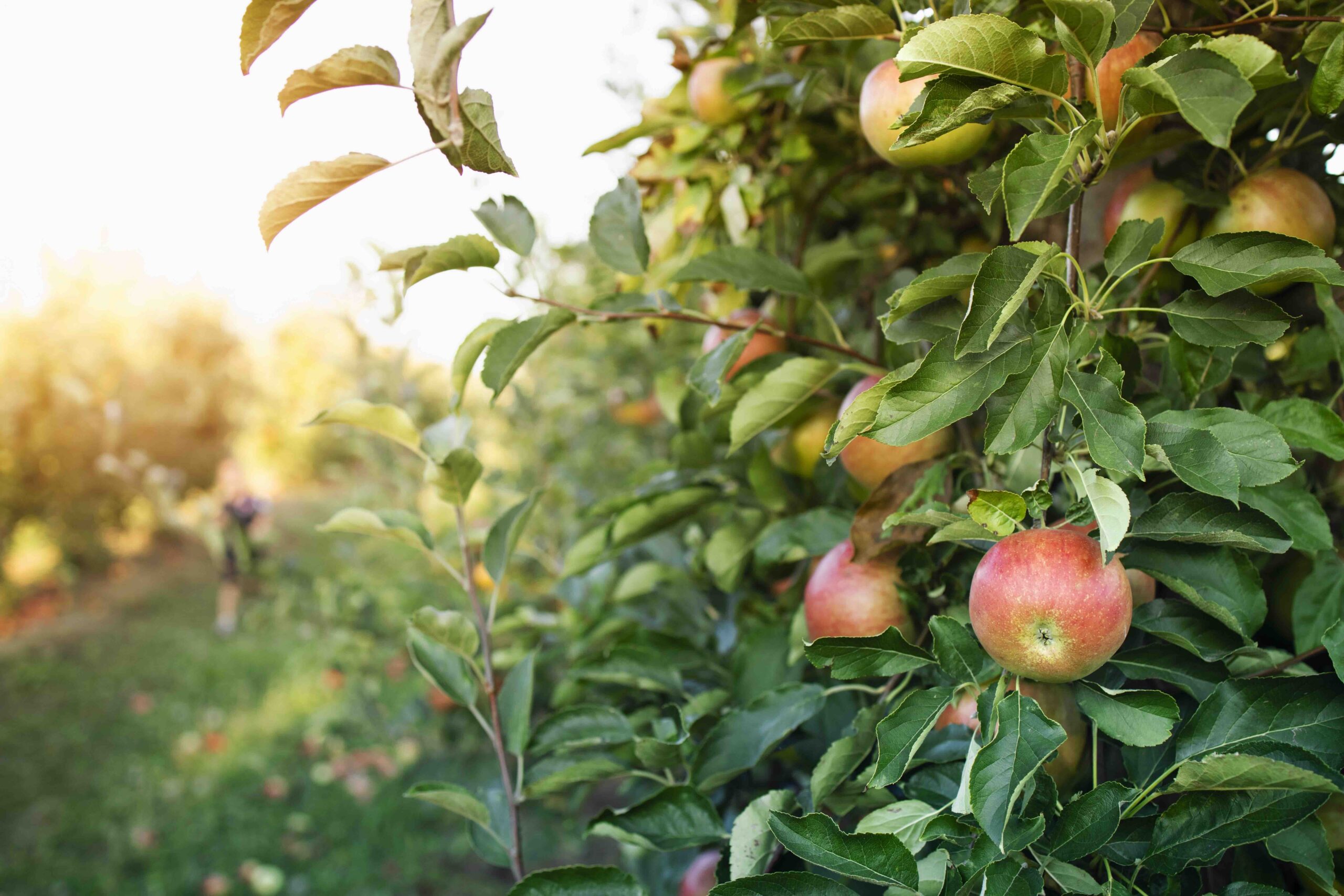
3. Fruit Tree – There’s something tremendously satisfying about growing your own fruit. At Dawson’s you’ll find a comprehensive range of fruit and nit varieties, all selected to perform and fruit in your garden. You don’t need to have a big garden to grow fruit trees. There are many dwarf or smaller growing varieties, ideal for growing in smaller gardens and pots. For our full range of fruit trees visit our 2017-18 Fruit Tree Guide

4. Orange Trumpet Vine – Is surely one of the most spectacular climbing plants. Covers itself with flame-like clusters of orange, trumpet flowers throughout winter. It’s a vigorous, evergreen, tendril climber ideal for hiding a fence, tank stand or ugly shed. Thrives in Perth and coastal WA.

5. Ornamental Kale – Looking for something different for some winter colour? Ornamental Kale might be the answer. Ornamental Kale are essentially ornamental cabbages grown for their colourful foliage. They produce tight rosettes of richly coloured, flat leaves in shades of pink, green, red, white and purple. They are at their best through winter-early spring. Use them for edging, in containers or group plant for a stunning effect.

6. Dawson’s Famous Roses – Winter is the perfect time to plant roses. Take advantage of our Winter Rose Sale and when you buy 4 roses in the same pot size you will receive a 5th one free! We are famous for our roses so come in and experience the Dawson difference for yourself.

Jobs to do around the Garden

1. Transplant Trees And Shrubs – Winter is perfect for transplanting as plants won’t be heat stressed at this time of the year and it’s easier to maintain soil moisture while plant re-establish. The key with all transplanting is to try to retain as much of the original root system as possible. Prune plants to compensate for the root loss during transplanting. Plant into soil improved with the addition of Dawson’s Soil Improver and keep transplants well watered until established.

2. Rose Pruning – Roses can be pruned in Perth any time from late June through till mid-August. If unsure how, attend one of Dawson’s free rose pruning demonstrations. Don’t be afraid to have a go. Pruning is always an invigorating process for roses. Hybrid tea roses, miniatures and floribunda roses can simply be cut back to half their original height, using secateurs, loppers or hedge shears.

3. Protect Plants From Snail And Slug Attack – Snails and slugs become more active following the first rains. These pests can be particularly devastating to new seedling planting so beware. The best defence is a light sprinkle of a quality snail bait like Multiguard Snail & Slug Killer.

4. Continue Planting in the Vegie Garden – A winter planting now of some favourites like broad beans, rocket, lettuce, parsley, silverbeet, coriander and kale will provide months of healthy winter salads and recipe ideas. It’s a good investment in your own health too. Garden fresh greens will boost your immunity to winter colds and flu.

5. Start Your Own Strawberry Patch – Our container grown plants are ideal for planting up your own pots and baskets or your own strawberry plants. Strawberry Chandler is a brilliant strawberry with sweet red fruit.

Share Article

Autumn Planting

Refreshingly cool mornings usher in the start of autumn. While days can still be warm, it’s the beginning of a new cycle of renewal and growth in the garden. Autumn is a season that is now on par with spring when it comes to gardening. There’s plenty to do, planting, planning and preparing.

What to Plant

1. Vegetables and Herbs – Artichokes , beans broad beans, broccoli, beetroot, Brussels sprouts, cabbage, carrots, cauliflower, celery, chicory, Chinese cabbage, chives, coriander, dill, endive, fennel, French tarragon, garlic Italian parsley, kale, leeks, lemon grass, lettuce, marjoram, mint, mizuma, onions, oregano, pak choi, parsnip, parsley, peas, potato tubers, radish, silver beet, spinach, rhubarb, rocket, rosemary, sage, snow peas, spring onions, thyme and turnip.

2. Autumn Camellias – Sasanqua Camellias are often called “Autumn Camellias” because of their happy knack of flowering over autumn, with some varieties beginning to flower as early as March. Sasanquas are the hardiest of the Camellias with an almost “bullet proof” constitution. They are perfect for screening and hedging but also make wonderful container plants when planted in large tubs.

3. Azaleas – Azaleas are amongst the most popular, evergreen shrubs we grow. Much loved for their abundance of flowers. Azaleas are recommended for mass planting beneath deciduous trees, bedding plants for filtered light situations, and perfect planting partners for Camellias in Camellia and Azalea gardens, and Japanese gardens. They make a natural choice for tubs and planters, and smaller varieties can even be grown in hanging baskets. The majority of Azaleas will grow best in sheltered, filtered light situations.

4. Dwarf Fruit Trees – Autumn is the ideal time to plant our container grown dwarf fruit trees. We have a great range with dwarf almonds, apples, apricots, nectarines, peaches and plums all available.

5. Frangipanis – These slow growing tropical trees can be kept for many years in large tubs. Alternatively plant in a sunny, protected garden positions where they will slowly grow into small sized trees of 3-4m.

6. Chinese Tallow Trees – One of the most popular, autumn foliage trees grown in Perth. A medium sized specimen tree suitable for gardens small and large. Plant now and enjoy its autumn colour parade as leaves turn shades of yellow, red, orange and tan.

7. Hibiscus – Hibiscus are tireless performers in the autumn garden, putting on a prolonged display of flush after flush of vibrant tropical blooms. They lend themselves beautifully to poolside planting, or use them for screens and hedges.

8. Succulents – Succulents are the ultimate water wise plant. Their ability to store water in their fleshy leaves and stems gives them great heat and drought tolerance. Equally good in both pots or in garden beds.

9. Roses – Take advantage of autumn, nature’s natural planting time, to plant new roses! Remember freshly planted roses will need to be hand watered every day during their first autumn in the garden. Established roses will need a good deep soak twice a week.

 Jobs to do around the garden

1. If you haven’t yet given your roses an autumn trim mid-March to early April is a good time. Give roses a light prune and cut stems back about 6-8 inches to encourage the autumn burst. Continue feeding roses with Dawson’s All Purpose Fertilizer every 4-5 weeks until late May.

2. Mealy bug populations can build up quickly over late summer and autumn. To control spray with Confidor.

3. Prune back rampant growth on grapes and ornamental climbers.

4. Select Spring flowering bulbs. Bulbs such as Tulips and Hyacinths will benefit from some chilling prior to planting. Store in brown paper bags in your crisper (not freezer) for 4-8 weeks prior to planting. Aim to have bulbs planted by the end May-early June.

5. Prune Olives to open up the centre of trees. This allows more even light penetration though the canopy, leading to increased cropping. Remove branches and shoots growing into the centre of the tree, aiming to keep the centre relatively open.

6. Feed Hibiscus monthly until late autumn with a good, balanced fertiliser like Dawson’s All Purpose Fertiliser or Eco Prime.

7.  Select seed garlic bulbs for planting late March and April. Growing your own full flavoured garlic is easy, and means you’ll have a fantastic home-grown alternative to the tasteless imported, supermarket garlic. Customers be quick to secure your seed garlic, stock are limited. For detailed garlic growing information see our Garlic Fact Sheet.

8. It’s time to prepare vegetable beds for autumn plantings. Prepare beds by cultivating to a depth of 25-30cm. Blend in organic materials such as Dawson’s Soil Improver. Treat soil with a wetting agent like Eco Wet or consider blending in Soil Solver, a mineral clay soil builder. The clay changes the physical properties of the soil allowing it to hold more water and nutrients. Rake over and level off soil.

9. Remove spent flowers from geraniums to encourage repeat flowering and liquid feed fortnightly with Seasol or Flourish.

10. Look out for citrus leaf miner. Spray fortnightly with Eco Oil or Eco Neem to protect young  developing foliage from attack by disfiguring Citrus leaf miner (A moth which injects its eggs into young citrus  foliage). It’s usually just the young soft foliage which is vulnerable to attack, so spraying can stop once it has hardened off.

Share Article

Summer Planting

Summer is a time to enjoy the riotous colours and relaxing days. It’s a time to maintain, plant and plan for the year ahead.

What to Plant

1. Vegetables and Herbs – Basil, beans (climbing or dwarf), beetroot, broccoli, Brussels sprouts, cabbage, capsicum, carrots, cauliflower, celery, chicory, Chinese cabbage, chives, chilli, choko, cucumber, dill, eggplant, endive, fennel, leeks, lemon grass, lettuce, marjoram, melons, mint, oregano, parsnips, parsley, pumpkin, radish, rhubarb, rocket, radicchio, rosemary, sage, silver beet, spring onions, squash, sweet corn, thyme, tomatoes, tarragon and zucchini.

2. Geranium Big Red – Go big on colour this spring and summer with this amazing, intense, red flowering Geranium. People often say that the Geraniums here in Australia just don’t have the intensity of these they’ve seen in Italy and Europe. Well, that was before Big Red came along. Big Red delivers that Italian Geranium look in spades! Big red is a cross between ivy and common (zonal) geraniums, so it has a wonderful, mounded habit. It’s ideal for feature pots, baskets, window boxes and performs just as well in garden beds. Best in full sun conditions.3. Aloha Mandevillas – Get set for non-stop colour this season with these brilliant tropical look Mandevillas. There are five Aloha colours to choose from – Bright Pink, Red, Dark Red, Regal Ruby and White. Use them as short climbers on arches, pergola posts and on fences. Plant them into display pots or hanging baskets and watch them grow. While these plants are climbers, they can easily be kept shrub-like by trimming off the climbing shoots as they appear.4. Trees – Summer is once again on its way, so now is a good time to think about shade trees for your garden. The value of trees in our warm summer climate cannot be under-estimated. Trees provide welcome shade from the summer sun, cooling the environment and casting gentle patterns of light and dark beneath them. Advanced trees bring instant structure to your garden and are a great investment. Choose from our range of Advanced trees including; Chinese Tallows, Evergreen Magnolias including Little Gem and Kay Parris, Ornamental Plum Trees including Burgundy Plum, Double Pink Flowering Plum, and narrow growing, Oakville Crimson Spire. There’s also Ornamental Pears including Chanticleer and Capital, Weeping Mulberries and more!

3. Succulents – Succulents are the ultimate waterwise plants. Excellent, for tough hot spots. They can we mixed and matched to create wonderful living coral type effects. They perform well in pots, baskets, bowls and vertical gardens (green walls). A recent addition to our succulent collection is Senecio Blue Chalk Sticks. This spreading, clump forming perennial has steely-blue, cylindrical foliage. It is a wonderful contrast plant, which would make a fascinating border with a difference.

4. Fragrant Frangipanis – Frangipanis are tropical trees, reaching around 2.5-4 metres high, with a distinctive umbrella shaped canopy. Frangipanis are slow growers, typically adding only about 20-30cm in height each year. They make beautiful and long lasting container plants for sunny verandas, balconies and courtyards, where they can be enjoyed for many years before they out -grow their pots. Frangipanis are sun lovers and branch after each flowering, becoming more beautiful with each passing year.7. Cora Cascade Vincas – Cora Cascade Vincas are a new take on these popular and hardy summer favourites. What’s new is their fantastic trailing habit and larger vibrant flowers, which virtually cover the whole plant. These loving, cascading Vincas are a top choice for hanging baskets, pots, planters, window boxes and display beds. To get the best results, use Dawson’s Premium Potting Mix when potting Cora Cascade Vincas and water regularly. Cora Cascade Vincas are available in a range of vibrant colours including: Cherry, Lilac, Magenta, Polka Dot and Strawberry.

5. Gardenias – These deliciously fragrant shrubs make perfect container plants. Gardenias are hard to resist with their glossy, green foliage and beautifully sculptured flowers. Select from creamy flowering forms including Aimee Yoshiba, Florida, Professor Pucci and Ocean Pearl, or unique old gold, Golden Magic.

6. Hibiscus – Add a touch of tropical colour to your garden with long flowering Hibiscus. These versatile plants make ideal hedges, screens or windbreaks and are just the thing for hiding the fence line. They look great around pools and perform well in coastal gardens. Try favourite varieties like; Cuban Variety, Nicole Louise, Mrs Geroge Davis, Pendunculatum and Sabrina.

Jobs to do around the garden

1. Revive heat affected plants by applying a liquid soil wetting product like Eco Wet to the root zone and then following up with a weekly feed of Seasol.

2. Container plants growing in sunny, exposed positions will also benefit from an application of water-saving mulch. Use quality coarse grade mulch, like pine bark mulch, but remember don’t mulch right up the stem.

3. Summer is the perfect time to plant advanced trees.

4. Continue to “dead head” roses by removing spent flowers to encourage repeat flowering.

5. Feed Hibiscus monthly until late autumn, with a good, balanced fertiliser like Dawson’s All Purpose Fertiliser.

6. Outdoor pots can be shielded in heat wave conditions by temporarily wrapping the outside of pots with cardboard. You can even make a cut out to line the top of the pot. This in effect adds another layer of heat insulation.

7. Apply quality wetting agents like Eco Wet, Grosorb or Aqua Wett to water repellent garden area and lawns. Soil wetters allow water to penetrate deeply and quickly into our water resistant soils.

8. Set your lawnmower blades a bit higher. This allows grass to grow taller and the self -shading effect will reduce heat stress and water loss via evaporation.

9. Build a basic shade structure to protect your vegetables from the summer sun. Simple arches can be made from lengths black irrigation piping, over which you can cover with 20-50% shade cloth.

10. Freshly planted roses will need to be hand watered every day during their first summer in the garden. When hand watering give, roses a decent soak. You want water to penetrate deep into the root zone to encourage healthy and deeper root development.

Share Article

Camellias and Azaleas Catalogue

Our Camellias and Azaleas Catalogue
is available here.

Our Camellias and Azaleas Catalogue is available here.

Share Article